
Picture the seventeenth century. In Isfahan, the Safavid capital, Naqsh-e Jahan Square is at the height of its glory and Persian painting breathes in its own distinctive style. In those same years, on the other side of the world, Amsterdam is living its Golden Age and Rembrandt and Vermeer are at their easels. Two golden ages that appear to have nothing to do with one another; but they did, and the connection sailed by sea.
Bandar Abbas, where two civilisations touched
From 1623 the Dutch East India Company kept a permanent trading factory at Bandar Abbas, the old Gombroon. Caravans arriving from Isfahan, Kerman and Yazd brought raw silk, saffron, precious pigments and carpets, and Dutch ships carried them to Batavia and on to Amsterdam. In those years Bandar Abbas was what researchers now call a contact zone: a square where goods, artists and ideas moved in both directions.
What was exchanged?
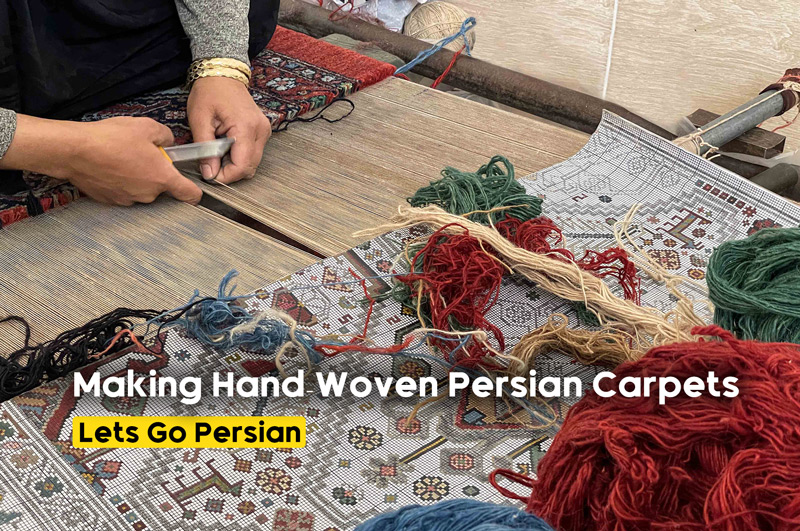
The cargo list only looked commercial. Persian carpets reached wealthy Dutch homes and soon climbed onto the painters’ canvases; in the interiors of Vermeer and Ter Borch, oriental carpets lie spread across tables and have become part of the story of wealth and taste themselves. In the other direction, European prints and engravings reached Isfahan and found admirers at the Safavid court. Painters of the Isfahan school, studying those images, experimented with perspective, shading and open skies, and forged a hybrid style that art historians now count among the most fascinating chapters of Iranian art.
The hands that carried the dialogue
Behind the exchange stood people: a merchant placing an order, a clerk keeping the inventory, a painter learning a new style, a diplomat carrying a gift. Diplomatic presents, from illuminated manuscripts to lacquerware, played the role of the day’s media; every gift was a window into another world. Merchants, agents and itinerant collectors, often unknowingly, stitched together a visual conversation between two civilisations.
Why this story matters now
Because the familiar reading of Iran’s relationship with the West is a story of collision, while the history of art tells another story. On the canvases and manuscript pages of the seventeenth century the two cultures appear not against each other but beside each other; borrowing, translating, inspiring. Studying that bond moves Safavid Iran from the margins of global art history to one of its central knots: a sea through which images once flowed.
This essay is the opening sketch of a larger research project in the Illustration Department of We Know Iran, on the network of merchants, artists and objects that moved between Gombroon and Amsterdam. In the issues ahead we will follow those routes one by one, with images and documents.
Silk, canvas and pigment: three things that tied two golden ages together.


Related stories
 Arts
The Persian Carpet: A Poem Tied Knot by Knot
From the Pazyryk carpet, twenty-five centuries old, to Vermeer’s frames and today’s international auctions: a journey through the history, the motifs, the…
Read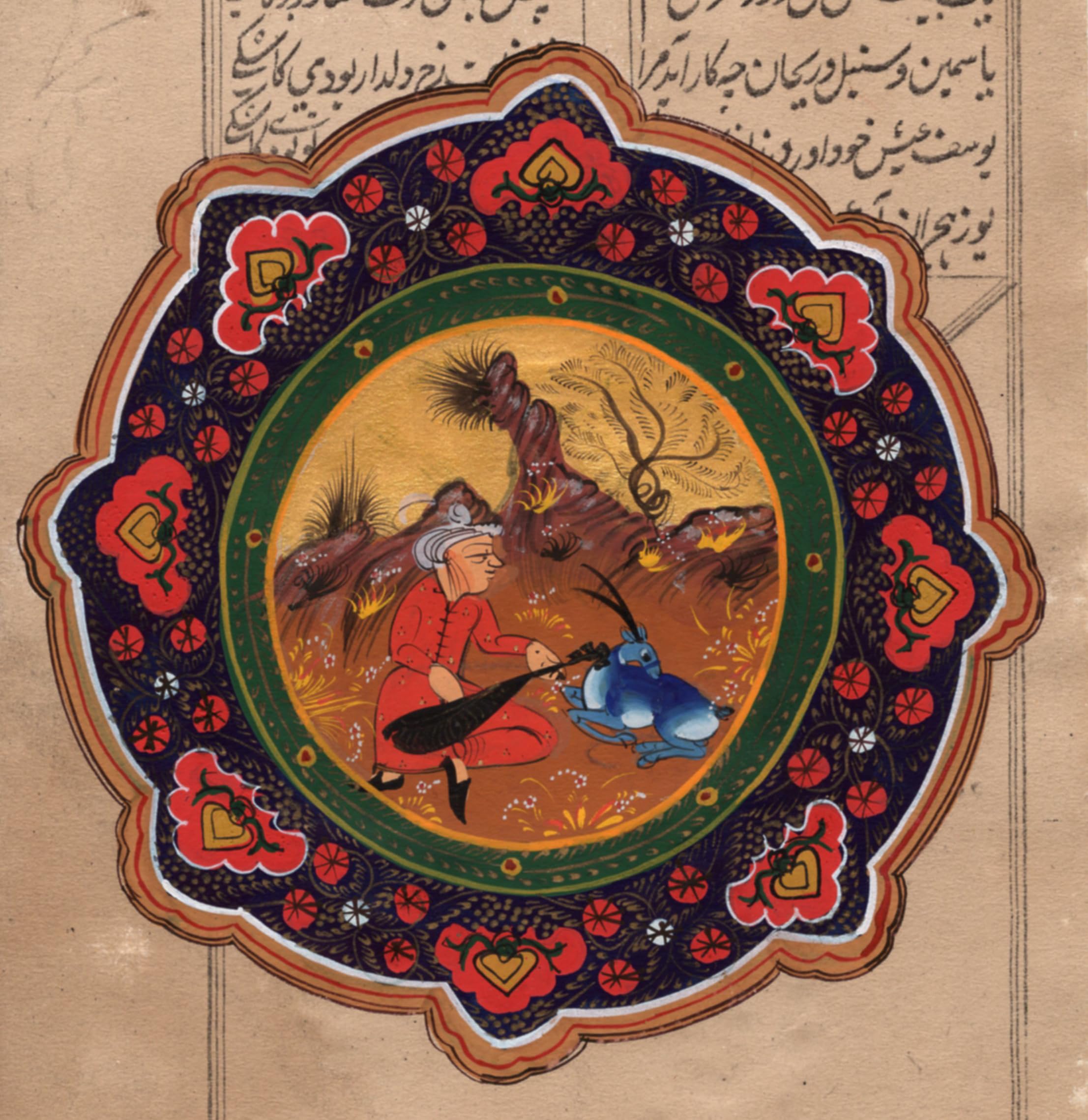 Arts
The Visual Arts Department: A Language Without Borders
When we talk about Iran we usually reach for history and politics; yet Iran has another language, one that took shape thousands…
Read